
Professional Quilt Supplier
- Display 20 Products per page
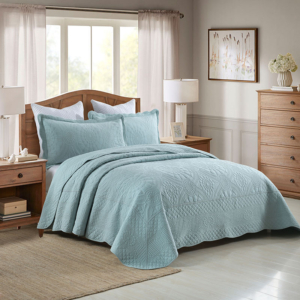
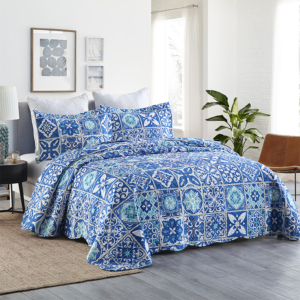
What is Qulit?
Quilted quilts are made with long needles and interlayers to fix the cotton fibers inside. In general, bedding is composed of a combination of outer textile fabric and inner tire material, which is further divided into flocculent tire and loose fiber. The floc tire mainly refers to the tire material made of cotton wool, which is the most commonly used tire material for bedding. However, the loose fiber shaped tire material has an unstable core structure and shape, is prone to flow and shrinkage, and has uneven thickness. Quilting stitches the outer fabric of the bedding together with the inner tire material in a straight or decorative pattern, ensuring that the outer fabric of the bedding is tightly fixed to the inner core. And this kind of quilted bedding is what we often refer to as a quilt
Importance of Quilt
Its characteristic is to use quilting technology to sew two layers of fabric together, with cotton or other fillers filled in the middle. Quilting is often used as a traditional wedding gift, a gift for important occasions, and a sleeping item in family life.
The history of quilting can be traced back to long long ago, and it is a handicraft originating from ancient folk art. During the Song Dynasty in Cnina, quilting gradually developed into a traditional handicraft with unique craftsmanship and cultural connotations. Over time, quilting has been widely inherited and developed not only in China, but also in Asian countries such as Japan, South Korea, and Vietnam. It is part of Chinese tranitional cultural.
The production process of quilts is complex and requires some manual skills and patience. During the production process, it is necessary to select two pieces of fabric of similar size and color, then use special threads to stitch the two layers of fabric together, fill them with cotton or other materials, and then sew them according to the design pattern with the stitching thread. Finally, decorate or embroider them for embellishment.
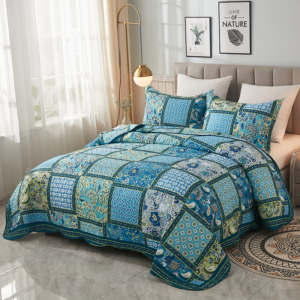
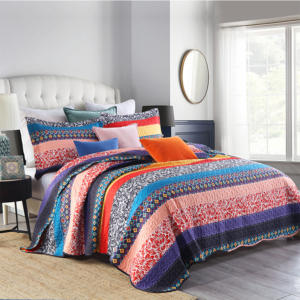
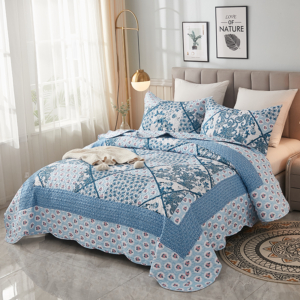
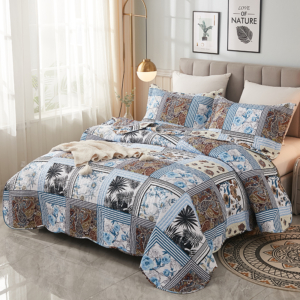
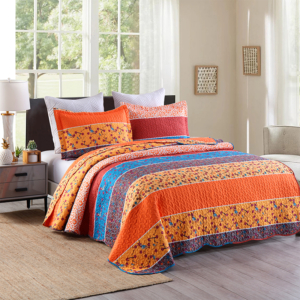
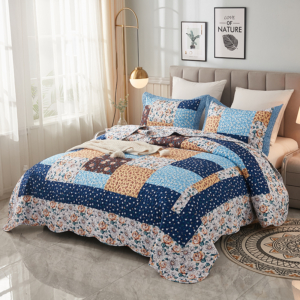
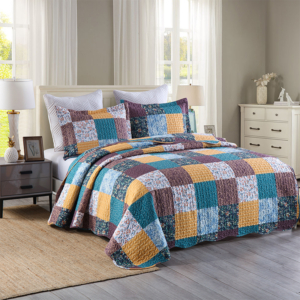
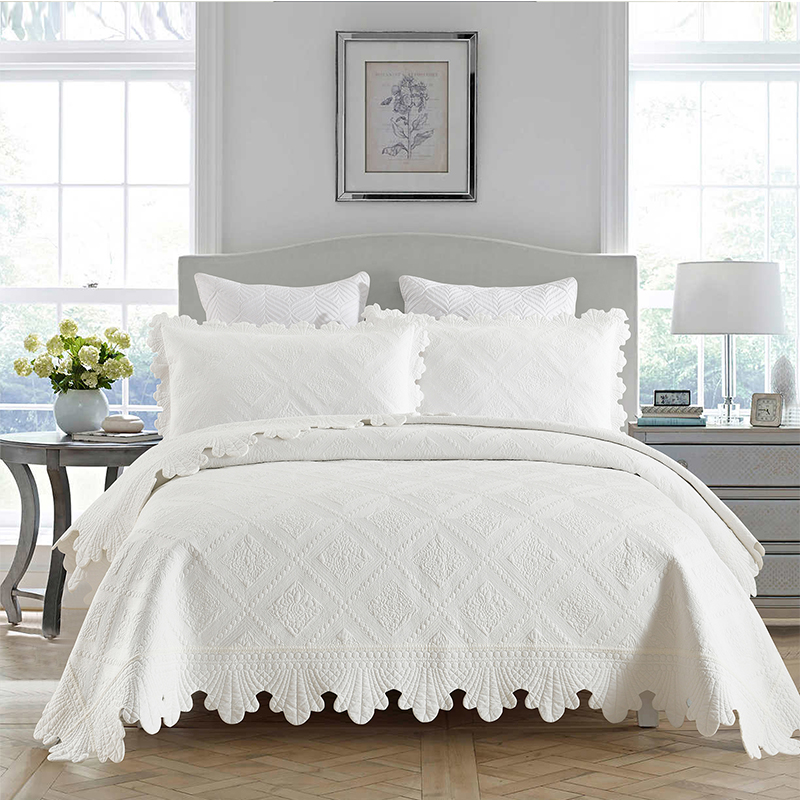
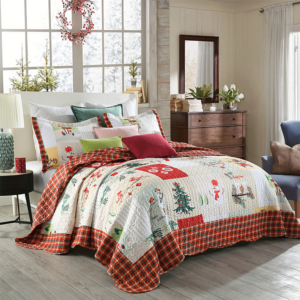
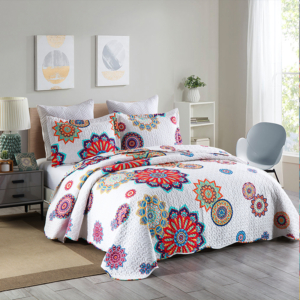
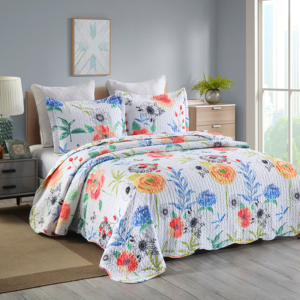
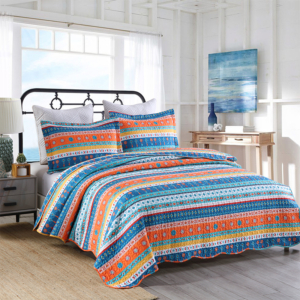
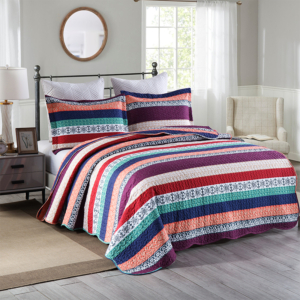
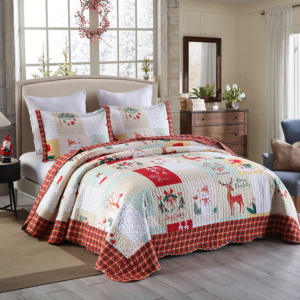
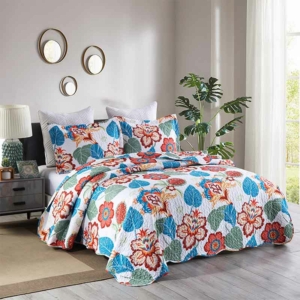
The styles of quilts are diverse and the patterns are rich. Common patterns include flowers and birds, animals, characters, myths and legends, scenic spots, etc. The composition of the patterns is usually very exquisite. In terms of color, quilts often use bold and bright colors to express a lively and cheerful atmosphere. Quilted quilts can not only be used as sleeping products, but also as decorative items, wall decorations, and other decorations.
In contemporary society, quilting, as a traditional cultural heritage, is receiving increasing attention and protection. At the same time, some modern designs and techniques have also been introduced into the production of quilts, injecting new vitality into traditional handicrafts.
Qulit Manufacturer
A good way to choose reliable quilt manufacturer are listed as below:
Product quality: Choosing a high-quality quilt manufacturer can ensure the quality and durability of the product.
Design style: Choose quilt that match your own style to better integrate into the home environment.
Price: Choosing a reasonably priced quality manufacturer can provide better cost-effectiveness.
After sales service: Choosing a qulit manufacturer that provides good after-sales service can provide a better purchasing experience.